
Understanding the Basics of Bluffing
Bluffing in poker is a critical strategy that can significantly influence the outcome of a game. At its core, bluffing involves convincing your opponents that you have a stronger hand than you actually do. This psychological component is what makes poker not just a game of cards but a game of wits. Successful bluffing requires an understanding of both your own hand and the betting patterns of your opponents, particularly when it comes to nrl premiership betting strategies, allowing you to gauge when to apply pressure and when to hold back.
To effectively master bluffing, players must also recognize their position at the table. In general, players in late positions have a strategic advantage when it comes to bluffing. They can observe prior actions of their opponents before making their own decisions, which allows for more informed bluffing opportunities. For instance, if a player has a solid read on the table dynamics, they can exploit that information to execute a well-timed bluff that shakes the confidence of their opponents.
Moreover, understanding the types of bluffs is essential for any aspiring poker player. There are several forms, such as the pure bluff, where a player has no chance of winning unless their bluff is successful, and the semi-bluff, where a player has a drawing hand that could potentially improve. Knowing when to choose each type is crucial; experienced players can tailor their approach based on the flow of the game, creating a more dynamic and unpredictable playing style that keeps opponents guessing.
The Psychology Behind Bluffing
The psychological aspect of poker should not be underestimated. Bluffing is as much about what you portray to others as it is about the cards you hold. It’s important to maintain a consistent table image, which means that if you frequently show strong hands, opponents are more likely to believe your bluffs. This awareness of image can give players a distinct edge, allowing them to manipulate the perceptions of those around them effectively.
Emotional control also plays a pivotal role in the effectiveness of bluffing. A player who appears calm and collected is more likely to succeed in convincing opponents of a strong hand. Conversely, a nervous player can easily give away tells—subtle changes in behavior that indicate uncertainty or the strength of their hand. Therefore, mastering your emotions and maintaining a poker face is crucial in the art of bluffing, enhancing your ability to deceive your opponents.

Furthermore, analyzing your opponents’ behavior can provide valuable insights to execute successful bluffs. Observing betting patterns, physical tells, and overall demeanor can help identify weaknesses or uncertainties in their game. By exploiting these cues, skilled players can develop a strategy that capitalizes on their opponents’ fears and doubts, making the bluff more credible and likely to succeed.
Timing and Context of Bluffing
Timing is everything in poker, especially when it comes to bluffing. Executing a bluff at the right moment can make a significant difference in your overall success. For instance, bluffing on earlier streets can be less effective if players are likely to have strong hands due to the lack of community cards revealed. As such, players often wait until later rounds when the board texture suggests that many hands may have missed their draws, giving them the perfect opportunity to apply pressure.
The context of the hand also matters significantly. Knowing the tendencies of your opponents can enhance your bluffing strategy. If you are up against aggressive players, they might be more prone to calling bluffs, making it essential to adjust your approach accordingly. Conversely, passive players who tend to fold often can be more susceptible to bluffs. Adapting your strategy based on the dynamics at the table is key to mastering the timing and context of bluffing effectively.
Moreover, understanding the strength of the community cards can also impact your bluffing decisions. If the board is connected in a way that suggests possible strong hands (such as straights or flushes), bluffing might be less credible. On the other hand, a dry board where few draws are possible often presents a perfect opportunity to represent a strong hand. Balancing these considerations can vastly improve a player’s skill in bluffing and their overall success at the table.
Developing Your Bluffing Strategy
Creating a solid bluffing strategy requires practice and self-awareness. Players must assess their tendencies and recognize when they may be overdoing their bluffs. A successful strategy typically involves incorporating bluffs into a balanced approach where strong hands and bluffs are employed in tandem. This way, opponents cannot easily discern your strategy, making it difficult for them to counter your moves effectively.
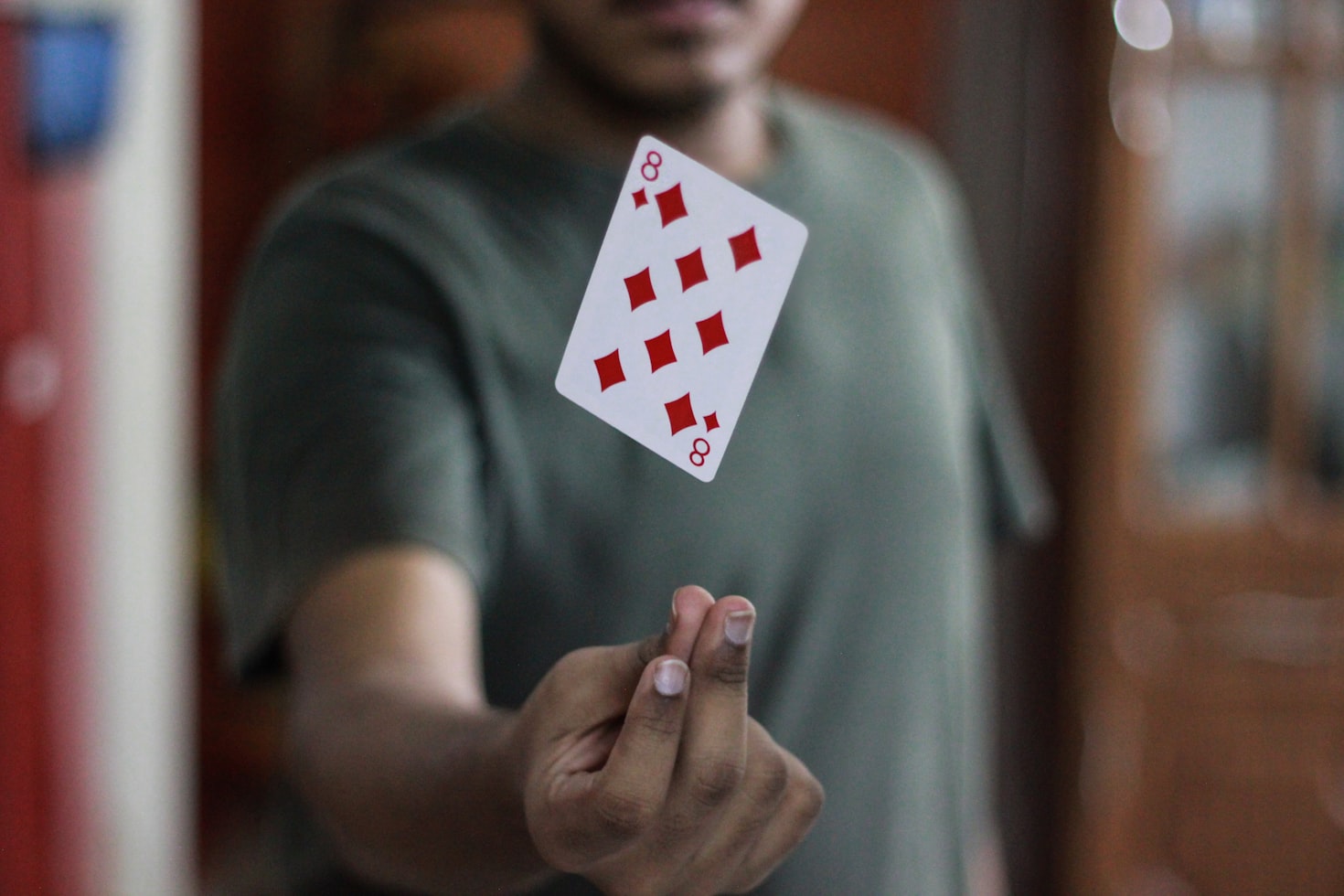
Moreover, it is helpful to analyze previous hands to refine your understanding of what works and what does not. After each session, take time to reflect on your bluffing attempts—considering which bluffs succeeded, which failed, and why. This reflective practice can help you hone your skills and adjust your strategy to avoid pitfalls in the future.
Additionally, discussing hands with fellow players or coaches can provide fresh insights and perspectives on bluffing techniques. Engaging with a community of poker enthusiasts can stimulate new ideas and strategies, ensuring that you continue to grow and adapt as a player while mastering the art of bluffing effectively.
Your Go-To Resource for Poker Strategy
Whether you are a novice or an experienced player looking to refine your skills, this website serves as your comprehensive resource for all things poker. We provide in-depth guides, expert tips, and strategies tailored to help you master bluffing and other fundamental aspects of the game. Our goal is to create an engaging learning environment where players can thrive and enhance their poker prowess.
Furthermore, we offer a supportive community where players can share experiences, strategies, and insights. Engaging with like-minded individuals can provide the encouragement and motivation needed to continually improve your game. Our platform is dedicated to fostering a space where players of all levels can connect and grow in their understanding of poker.
By leveraging the resources available on our website, you can embark on your journey to mastering bluffing in poker games with confidence. Our commitment to providing top-quality content will ensure that you stay informed and equipped with the latest strategies, helping you achieve success at the poker table.