

The Crucial Role of Human Rights Defense in Modern Society
In today’s world, the defense of human rights has become increasingly vital. As globalization continues to reshape societies, the struggle for basic human rights remains a pressing concern across the globe. The role of Human Rights Defense civil rights lawyers has never been more critical in this battlefield, as they strive to protect individuals from violations and hold violators accountable.
Understanding Human Rights
Human rights — the fundamental freedoms and rights that belong to every person — are enshrined in various international treaties and declarations. The most significant of these is the Universal Declaration of Human Rights (UDHR), adopted by the United Nations General Assembly in 1948. This document outlines the inalienable rights of every individual, including the right to life, liberty, and security of person; the right to freedom of opinion and expression; and the right to work and education.
The Importance of Human Rights Defense
The defense of human rights is crucial for multiple reasons. Firstly, it establishes a framework for justice and accountability. When individuals and groups suffer from violations, the existence of laws and norms protecting their rights offers a means of redress. This not only aids the victims but also helps deter future violations by holding perpetrators accountable.
Moreover, human rights defense fosters social justice. It empowers marginalized communities, amplifying their voices and addressing systemic inequalities that often pervade societies. By advocating for the rights of the underprivileged, human rights defenders work towards creating a more equitable world.
Challenges in Human Rights Defense
Despite its importance, the field of human rights defense is fraught with challenges. Many nations continue to disregard international obligations, with governments often employing tactics to suppress dissent and silence activists. This can take various forms, from censorship and surveillance to outright violence against human rights defenders.
Particularly in authoritarian regimes, individuals who speak out against rights violations face severe consequences, including imprisonment, torture, or even death. This climate of fear not only endangers activists but also hinders the overall progress of human rights initiatives globally.
The Role of Civil Rights Lawyers
Civil rights lawyers are at the forefront of the human rights defense movement. They provide essential legal representation and advocacy, ensuring that the rights of individuals are upheld in court and beyond. Their work ranges from challenging unjust laws and policies to combating discrimination and advocating for systemic reforms.
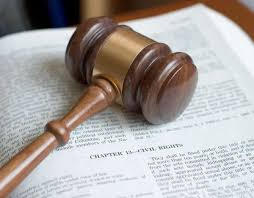
These lawyers often face significant obstacles, including threats to their safety and attempts to undermine their work. Nevertheless, their commitment is unwavering, as they understand the pivotal role they play in shaping the landscape of human rights.
Global Movements for Human Rights Defense
Around the world, various movements and organizations are dedicated to promoting and defending human rights. From grassroots organizations to international NGOs, these entities play a critical role in mobilizing communities and influencing policy changes.
For instance, organizations such as Amnesty International and Human Rights Watch work tirelessly to raise awareness about human rights abuses and advocate for justice. They conduct investigations, publish reports, and launch campaigns aimed at pressuring governments to respect human rights norms. By shining a light on injustices, these organizations hold both state and non-state actors accountable for their actions.
The Role of Education and Awareness
Education is another pillar of human rights defense. Raising awareness about human rights issues allows individuals to understand their rights and empowers them to advocate for themselves and others. Incorporating human rights education into school curricula can foster a culture of respect and tolerance, preparing the next generation of global citizens to uphold these ideals.
In addition, public awareness campaigns play a vital role in rallying support for human rights causes. Social media has emerged as a powerful tool for mobilization, providing a platform for activists to share their stories and connect with a wider audience. This increased visibility often translates into greater public pressure on governments and institutions to act in accordance with human rights standards.
The Intersection of Technology and Human Rights Defense
In the digital age, technology has become an indispensable ally in the fight for human rights. From online petition platforms to encrypted communication tools, digital innovations are transforming the way advocacy is conducted. Technology facilitates information sharing, making it easier for activists to organize, share vital information, and raise funds for their causes.
However, the digital landscape is not without its challenges. Governments employ surveillance technologies to monitor and suppress dissent, raising concerns about privacy and safety for activists. Navigating this complex terrain requires a combination of legal expertise and technological acumen, further emphasizing the need for skilled civil rights lawyers.
Conclusion: A Call to Action
The fight for human rights is far from over. As various forms of oppression persist, the need for dedicated individuals and organizations committed to defending human rights remains critical. Whether through legal advocacy, education, or grassroots organizing, everyone has a role to play in this movement.
By supporting civil rights lawyers, engaging in advocacy, and raising awareness about human rights issues, we can contribute to a global culture that respects and protects the dignity of all individuals. It is essential to remember that the defense of human rights is not just a legal obligation; it is a moral imperative that transcends borders and unites us as a global community committed to justice and equality.