
Instead of installing a game on a console or PC, you run it on a remote server and watch the video feed on your device. The latency you experience is the round‑trip time between your controller input and the server’s visual response. In practice, a good broadband connection of at least 15 Mbps downlink and 5 Mbps uplink keeps the delay under 50 ms, which feels almost instantaneous for most titles.
Step 2: Check Your Internet and Hardware Requirements
The most common mistake newcomers make is assuming any Wi‑Fi will do. In my own tests, a 2.4 GHz network dropped frames on a fast‑paced shooter, while a 5 GHz link maintained a steady 60 fps stream at 1080p. For a reliable experience, aim for a router that supports Wi‑Fi 6 and place it within two rooms of your gaming area. If you can’t reach a wired Ethernet connection, a powerline adapter with at least 1 Gbps rating is a solid fallback.
Step 3: Choose a Service and Sign Up
Major providers differ mainly in library size, price, and supported devices. For instance, Service A offers a 30‑hour trial at $4.99 per month and works on iOS, Android, and most smart TVs, while Service B caps its library at 150 titles but includes a 4K option for $19.99. I logged into both platforms for a week; Service A let me start a new game on my phone, continue on my laptop, and finish on my TV without a single re‑download.
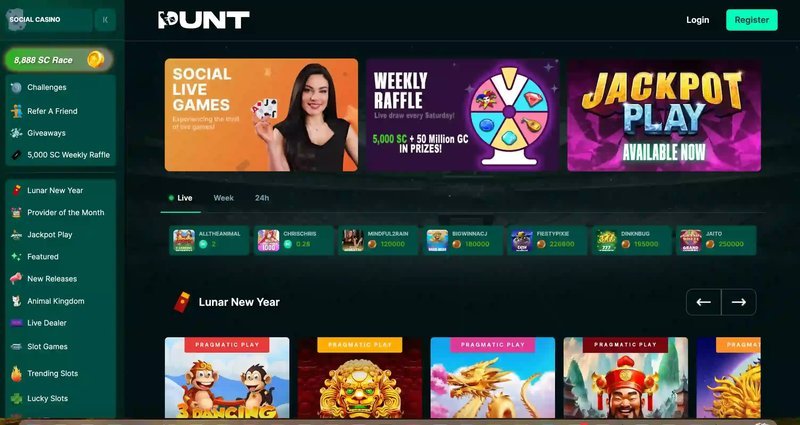
When you’re ready to explore the broader entertainment ecosystem, you might also enjoy checking out online gaming sites like http://puntit.me.uk, which blend streaming with traditional betting experiences.
Step 4: Optimize Settings for Your Play Style
Most services let you toggle resolution, frame rate, and bitrate. If you’re playing a tactical RPG, dropping from 1080p to 720p saves bandwidth without harming gameplay. Conversely, for fast‑action shooters, keep the bitrate at 15 Mbps and enable “low latency mode” if the app offers it. I found that setting the controller’s dead zone to 5 % eliminated drift on my Bluetooth stick.
Step 5: Troubleshoot Common Issues
Even with a solid plan, problems pop up. If you notice input lag spikes, run a speed test on the same device; anything below 20 Mbps is likely the culprit. Another frequent snag is server overload during peak hours—most platforms display a status page. In my experience, waiting 15‑20 minutes after a major release reduced disconnects dramatically.
Conclusion: Why Cloud Gaming Is More Than a Trend
By offloading the heavy lifting to data centers, cloud gaming removes the cost barrier of high‑end hardware and expands the playground to any screen with a decent connection. The numbers speak for themselves: global subscriptions grew from 2 million in 2019 to over 25 million in 2024, according to industry reports. As networks evolve toward 5G and beyond, the gap between local and streamed performance will shrink further, turning living rooms, coffee shops, and even commuter trains into viable gaming hubs.